
CIERRO LOS OJOS: AN INTIMATE CONVERSATION WITH CAMI
Dani MJ

Cami
Photos by NONA

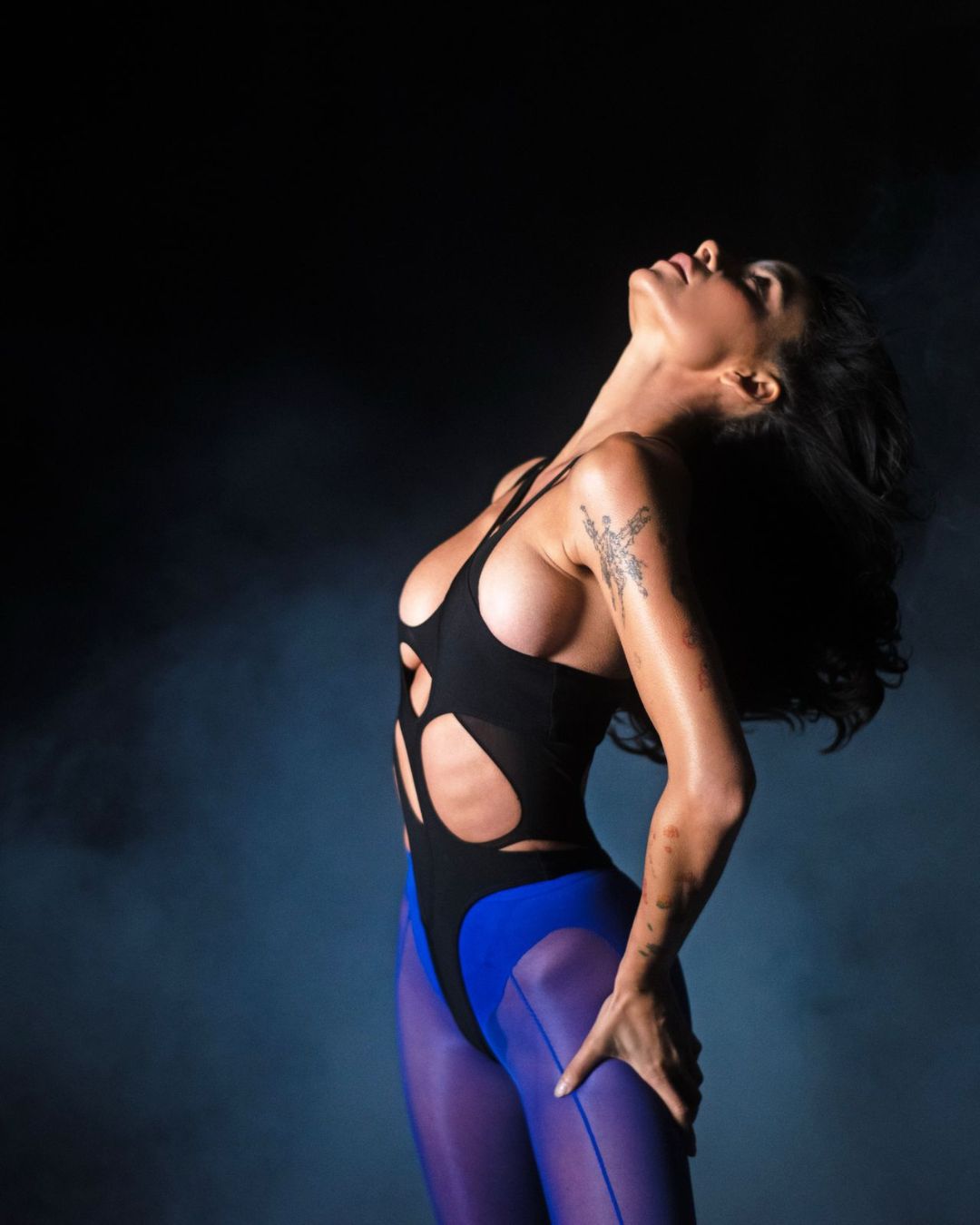
Cami, a voice that has reinvented itself over time and is unafraid to show vulnerability. From introspection to sonic experimentation, in this interview, we discuss her creative process, the Chilean music scene, the role of women in the industry, and her latest project, Cierro Los Ojos, which marks the beginning of Anna Vol. 2. Join us on a deep journey through her art and vision.
DANI MJ: In your project, I find a lot of strength and femininity. If you had to recommend just one song to someone who hasn’t listened to you yet, which one would it be?
CAMI: Quiero Toda Mi Vida de Vuelta. It represents me so well—my tastes, how I see my music. I think it’s the most significant song (...) It’s the one that best describes me at this moment in my life.
DMJ: I believe one of the biggest mistakes today is trying to fit artists into a single genre when production offers so many possibilities. You’re described as alternative pop, electronic pop, or folk, but if you had to describe your project, not as a genre but as an experience, what would it be?
CAMI: I see it as what happens in places where something painful occurred, like a war or a loss, and a monument is built to remember and beautify that space. For me, music is that: resignifying, beautifying both personal and collective spaces that have been damaged. Music has the power to restore beauty where there was pain, to transform suffering into something liberating. It’s an energy that flows through me, and I simply translate it into lyrics, melody, and rhythm.
DMJ: There’s a huge conversation around the Chilean music scene. Right now, in Latin America, I feel like nothing sounds quite like what’s being produced in Chile. Artists like Javiera Mena, Princesa Alba, Alex Anwandter, and you have a very distinctive sound that has me obsessed. From your perspective, how do you see the music scene in your country?
CAMI: There are many interesting spaces. In recent years, we’ve seen diversity, particularly in the indie or non-urban scene, because the urban movement is very strong in Chile. But I think we are heading toward a very fruitful place in terms of the industry. We still need to understand how powerful we can be as an industry and as a market. We need more spaces, venues, festivals, and inclusion. Many times, doing things for the love of art is romanticized, but that also limits growth. There is a lack of information and guidance for artists regarding contracts and the market.
DMJ: Regarding the importance of claiming spaces as a woman, what do you consider to be your contribution as a Chilean and Latin American woman in the international music scene?
CAMI: It’s hard to answer that because I haven’t fully processed it yet. I’d rather talk about how other women have impacted me and my career. It’s difficult to sustain yourself as a woman in this industry because of the many obstacles and complexities of the market. There’s no doubt that for us, it’s three, four, or even five times harder to establish ourselves artistically. It’s also more expensive to be a female artist. While I don’t yet have an answer about my contribution, in the future, I’d like to say that I have worked for women and for justice because many things are still unfair for us. I believe in change, in collective consciousness, in conscious art, and in meaningful lyrics.
DMJ: With the industry’s constant demand for new music, how do you find the balance between that pressure and creating what you truly love?
CAMI: I pretend I don’t hear it. I try to silence those voices of pressure. I’m very demanding with myself, but my expectations are different from those of the industry. I have an amazing team that has never pressured me to release music constantly. I prefer creative processes where I isolate myself for months and channel my creativity into a project. I focus on the quality and meaning of what I do rather than on immediacy or mass production.
DMJ: Speaking of your creative process, what artistic and musical elements inspire you when creating your music?
CAMI: I’ve been composing a lot with synthesizers and my flute, which I’ve played since I was a child but had never included in my productions until now. I also scribble while writing, which helps me unlock ideas. My process isn’t rational—I let the song speak to me and guide me emotionally.
DMJ: Anna Vol. 1 just turned a year old. After this time and with the upcoming release of Vol. 2, how do you feel Ana has evolved?
CAMI: Rather than aging, it has gained life. I don’t believe music has a short lifespan. For me, projects intertwine and evolve over time. Anna Vol. 1 connects with Quiero Toda Mi Vida de Vuelta and with Vol. 2. Anna means life, resurrection, longevity.
DMJ: What can we expect from Vol. 2, and how does it connect to Vol. 1?
CAMI: Water is a key element throughout the entire album. In Vol. 2, we recorded during the rainy season in Mexico, so you’ll hear storms, lightning, and water in the vocals. The production blends synthesizers with strings (violin, cello, viola), creating a musical dialogue between both elements.
DMJ: With the previous release of Quiero Toda Mi Vida de Vuelta and now Cierro Los Ojos, what are you reclaiming in this process leading up to the new EP?
CAMI: Life and time. I lost a lot of time in emotionally negative spaces. Sadness and trauma can drain your vitality. Now I’m reclaiming my energy, my joy, and my enthusiasm for life.
DMJ: The visual aspect is fundamental in a music release. How did you get involved in creating the visual concept of Anna?
CAMI: The visual concept revolves around movement. In Vol. 1, I’m running; in Vol. 2, I’m floating. Everything is guided by El Ojo de Mi Frente, the name of Vol. 2, which symbolizes the energy that drives me forward. I don’t want to reveal too much, but the Vol. 2 video will explain the story behind the character of Ana.
DMJ: If Rosa, your first album, and Anna, your latest major project, had a conversation, what would they talk about?
CAMI: They would talk about courage and commitment to lyrical integrity. Ana would tell Rosa to trust in her talent and to dare without hesitation. That love can also be written from other places.